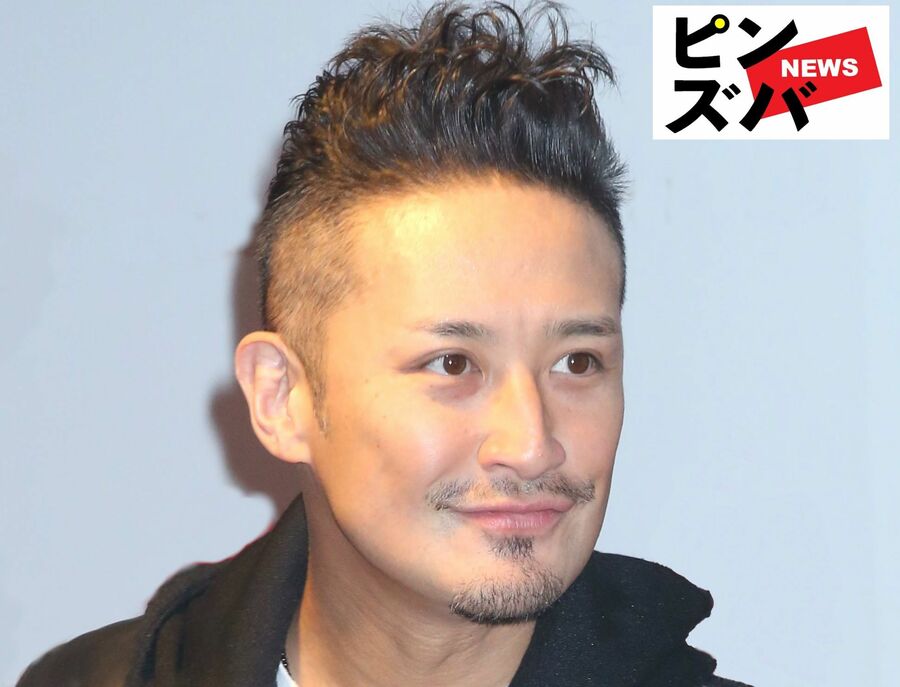
The former TOKIO member Taichi Kokubun (51) has been in a turmoil over his handling of a compliance violation in the past. DASH! (Nippon Television Network Corporation/Sunday night from 7:00 p.m.). DASH! ” (NTV/Sunday night 7~) ■[Image] “What about Nittele’s Compliance Violations?”Dangerous project of “Tetsuwan DASH” that Masahiro Matsuoka talked about is here. The content of this comment is similar to Matsuoka’s talk on a “Hokkaido-only program” that was broadcast in November. Tetsuwan DASH” started in 1995 as a variety program in which Tokio challenged various projects based on the concept of “challenging the limits of humanity,” and the agricultural experience in “DASH Village,” which started in 2000, was the turning point for the program to shift to its current course. In recent years, the program has continued to be broadcast as a symbolic program of TOKIO, although more and more junior talents from STARTO have started to work on the program. However, on June 20, NTV announced that Kunibuchi had been discharged from “Tetsuwan DASH” due to multiple compliance issues in the past. On June 25, it was announced that TOKIO would be disbanded and that “TOKIO Inc. Shigeru Johjima (55) and Matsuoka continue to appear on the show, but many are concerned about the future of the program. On November 26, Kokubu held a press conference with his lawyer present, tearfully appealing for “an answer” as to which of his actions were the problem, but NTV immediately commented that “an answer” was difficult due to the fear of secondary harm. At the same time, the station’s president, Hiroyuki Fukuda (64), stated that “what Mr. Kokubu said at the hearing itself constitutes a serious act of noncompliance,” and that “it is difficult to give any further answers” because the protection of the people involved is the top priority. Matsuoka was in total disbelief at NTV’s response. In interviews with Shincho and Bunshun, he made comments questioning the station’s response. In the Shincho interview, Matsuoka also pointed out that NTV’s refusal to explain anything was a breach of compliance, and he wondered whether the fact that he and his colleagues had been injured and sent to the hospital several times during the 30 years they had been running the program did not constitute a breach of compliance. Matsuoka-san also talked about past “Tetsuwan DASH” locations in the final episode (November 2) of the local Hokkaido program “Matsuoka’s Kita no Yuu Drink” (UHB). The content of the talk there has also attracted a lot of attention. The program is local to Hokkaido, but it is also being distributed on Matsuoka’s YouTube channel “Matsuoka no Channeru” (Matsuoka’s Northern Evening Drinking), a new program started by Matsuoka, who is from Hokkaido, was broadcast for four consecutive weeks from October 12 to November 2 as a Hokkaido-only drinking variety. Matsuoka has also made the program available in its entirety on his YouTube channel, and the final episode (broadcast on November 2) was posted on November 26. In the episode, Matsuoka was asked by a staff member, “There were a lot of projects in ‘Tetsuwan DASH’ that can’t be done now, weren’t there? Matsuoka was asked by a staff member, “There were a lot of projects in ‘Tetsuwan DASH’ that can’t be done now, weren’t there? As the “most intense project in the past,” he cited the 1996 broadcast of “Ningen Suikirishi (Human Water Cutting Stone). In this project, Matsuoka, wearing a harness and rope, is pulled from a launching pad by a strong rubber rope, and the force of the pull sends him flying through the air like a water stone. Matsuoka followed up by saying, “That was fun,” but then added, “It was the hardest part. It was a swamp, so there was mud underneath. It ended with a “slam. And I was stuck in the mud, so the staff had to pull me out. Matsuoka refers to the incident as a “swamp,” but it took place in a pond in Katsushika Ward, Tokyo, called “Kai-no-ike” to be exact. The early “Tetsuwan DASH” was a late-night show in the 1990s, and because of that, there were many “aggressive” projects that would be impossible today. Kokubun-san, who left “Tetsuwan DASH” in 1996, challenged a project that could have ended in injury if he had made a mistake.